
EARTHONE is committed to building meaningful synergies with EU funded projects with our vision and goals. By collaborating with projects who share similar ambitions, we can broaden our impact, strengthen outreach, and create more effective engagement with stakeholders.

The AgroTech Hub Cluster
EARTHONE is now part of the AgroTech Hub Cluster, a joint initiative bringing together Horizon Europe projects working on agriculture, climate innovation, digital technologies and sustainable land management. Through this collaboration, EARTHONE strengthens knowledge exchange, connects with related initiatives, and contributes to more sustainable and data-informed farming practices across Europe.
NOSTRADAMUS
Data Cube and Copernicus data for Food Security and European Independence
NOSTRADAMUS
Nostradamus is an innovative EU-funded project dedicated to advancing the sustainability and resilience of the agricultural sector in alignment with the Farm to Fork strategy, the Common Agricultural Policy, and the European strategy for data. By developing a robust, real-time digital platform, Nostradamus harnesses the power of Earth Observation, IoT, and advanced algorithms to optimize resource use, enhance yields, and promote sustainable farming practices.
A key feature of the project includes two Open Calls, providing €400,000 in funding to innovative third-party projects aimed at enhancing farm decision-making and digital tools for policy creation.
Through cutting-edge technology and a strong multi-actor approach, Nostradamus is paving the way for a data-driven, sustainable, and competitive agricultural future across Europe.
AGRARIAN
SpAce-AIr-Ground Last Mile InfRastructure & Dynamic PrOgrAmmable DistRibuted EnvIronment For Edge FArmiNg
AGRARIAN
Open-source digital solutions for sustainable agriculture. The European agriculture sector must achieve sustainability to remain competitive. The EU-funded AGRARIAN project aims to establish an open and dynamic environment that enhances the sustainability performance and competitiveness of the agriculture sector. It will achieve this by developing tailored open-source digital solutions focused on tools, reuse, composability and orchestration. The project aims to provide smart connectivity, standardised management of distributed digital infrastructure, and dynamic deployment of services and applications that are time- and location-dependent. AGRARIAN will create a robust Agricultural Decision Support System tool that considers the specific needs of farmers in rural communities, enabling end users and stakeholders to maximise their benefits.
OPENAGRI
Democratising digital farming through tailored open source and open hardware solutions
OPENAGRI
Tailored farm digital solutions for remote areas. Over the last decade, agricultural digital technologies (ADTs) have gained popularity for enhancing the economic and environmental performance of the agricultural sector. Despite their benefits, challenges such as high costs, a lack of trust in data sharing, and poor network connectivity in remote areas have hindered EU farmers from adopting these technologies. The EU-funded OpenAgri project aims to democratise digital farming by developing innovative, cost-effective, and energy-efficient open-source software and open-hardware-based ADTs capable of operating in remote areas with weak connectivity. The project will involve farmers and farm advisors in 14 pilots across Europe. Additionally, a decision support tool will be developed to assist in selecting the most suitable ADTs for specific conditions.”

LandShift
Community-Led Creation of Living Spaces in Shifting Landscapes for Climate-Resilient Land Use Management and Supporting the New European Bauhaus
LandShift
LandShift is an EU-funded Horizon Europe project that develops innovative land-use strategies to balance climate change mitigation, sustainable food and biomass production, and biodiversity protection. Through five Living Spaces across France, Greece, Italy, Poland, and Ukraine, the project co-creates nature-based solutions with local communities and decision-makers to achieve climate-resilient land management, aligning with the values of the New European Bauhaus.
ENFORCE
Empower citizeNs to join Forces with public authORities in proteCting the Environment
ENFORCE
The EU-funded ENFORCE project aims to promote sustainable practices and ensure environmental regulatory compliance within and between organisations. The project will use living lab and citizen science methodologies to develop innovative tools for environmental compliance. This involves bridging the gap between data reporting, monitoring and policy enforcement needs, incorporating innovative data collection, analysis and stakeholder engagement. The project will establish a pan-European collaboration hub introducing the concept of data readiness level (DRL) to assess data for legal purposes. Moreover, it will leverage geospatial intelligence and AI to advance environmental governance practices in line with the Green Deal Data Space initiative. ENFORCE will test and evaluate these tools at 8 pilot sites across 7 countries while also promoting a capacity-building programme and policy recommendation activities.
AgRimate
AgRimate
AgRimate is an innovative research initiative designed to enhance precision agriculture by integrating Artificial Intelligence (AI), and Robotics into pruning practices for high-value crops such as olive groves and vineyards. The project places a strong emphasis on human-centric digitisation, ensuring that technological advancements are seamlessly integrated into traditional farming practices to improve efficiency, sustainability, and worker well-being.
MONALISA
MONitoring and Assessing prevention and restoration soLutIons to combat deSertificAtion
MONALISA
The MONALISA project (MONitoring and Assessing prevention and restoration soLutIons to combat deSertificAtion – Project no. 101157867) is an Innovation Action funded under the Horizon Europe programme by REA, within the framework of the EU MISSION ‘A Soil Deal for Europe’.
The MONALISA project aims combat Land Degradation and Desertification (LDD) by promoting innovative, tailored solutions with proven socio-economic and environmental benefits. MONALISA adopts a transdisciplinary approach, integrating scientific and local knowledge through co-development process involving diverse stakeholders.
The projects’ six Case Studies are Los Pedroches in Spain; Médenine in Tunisia; Berchidda-Monti and Alta Murgia Park in Italy; Asterousia in Greece and Beit Dajan in Palestine, addressing varying aridity levels in Mediterranean area. The project is coordinated by NRD – UNISS.
Key solution groups include adaptive grazing systems, microbial-based biofertilizers, conservation agriculture, ecological restoration, water harvesting and wastewater reuse in agriculture. A core output is a multi-modular web-based Decision Support System.
Overall objective
Identify and promote the expansion of innovative and tailored solutions to prevent and reverse land degradation and desertification (LDD) while showcasing their socio-economic and environmental effectiveness in European and Mediterranean drylands.
Nemesis
Soil Health Living Labs Network for Combating Desertification and Soil Degradation in the Mediterranean
Nemesis
Desertification and soil degradation threaten agriculture, biodiversity and livelihoods across the Mediterranean, demanding urgent and sustainable solutions. In this context, the EU-funded Nemesis project responds by establishing five autonomous yet connected Living Labs in Cyprus, France, Italy, North Africa and Spain. These labs serve as innovation hubs, integrating diverse soil health data across real-world environments to develop effective land management practices. Through co-creation with local communities and a focus on future generations, Nemesis aims to transform pilot sites into showcases of sustainable soil restoration. By linking science, society and policy, the project fosters informed decision-making and supports legislation to safeguard soil health, addressing desertification challenges both regionally and beyond.
TERRASAFE
Innovations for empowering communities in Europe & North Africa to combat desertification
TERRASAFE
TERRASAFE is a major 5-year research project (running 2024-2029) investigating innovations for preventing and reversing desertification. Land degradation varies greatly depending on the specific context, so solutions to prevent and reverse it must consider local social, economic, environmental and political conditions. The project works closely with community members, including landowners and local authorities, in vulnerable regions of Europe and north Africa to discover, together, which interventions are best suited to their circumstances. The collaborative approach, supported by scientifically sound and robust tools and guidelines tailored by the local communities, will enhance desertification resilience and lead to transformative positive impacts.
AfroGrow
Agroforestry Living Labs for Sustainable African Growth
AfroGrow
AfroGrow is a transformative initiative advancing sustainable agroforestry across the African continent. Under the motto “Agroforestry Living Labs for Sustainable African Growth”, the project operates through 6 regional Living Labs that connect communities, researchers, and policymakers. AfroGrow fosters collaboration to shape locally adapted, climate-resilient solutions. With a strong emphasis on biodiversity, gender equality, and inclusive development, the project supports stakeholders in cultivating regenerative landscapes and enhancing long-term ecosystem resilience.
GEORGIA
Transforming water management for resilient farming
GEORGIA
The GEORGIA project is dedicated to turn water management and soil health challenges into opportunities for sustainable growth and innovation. Aligned with Europe’s Green Deal objectives, GEORGIA is driving an agricultural transformation that is environmentally sound, socially equitable and economically viable. By combining agricultural expertise with AI-powered digital tools and technologies, GEORGIA advances water management and irrigation practices, while utilizing alternative and recycled water sources. The project promotes sustainable crop production and improved soil health, building resilience to climate change. Through holistic agricultural approaches and the integration of advanced technologies, GEORGIA empowers farmers with enhanced competitiveness and fair income opportunities.
GEORGIA’s partners envision a future where resource efficiency, ecological balance, and societal well-being come together to create a resilient and prosperous European agriculture.
Collaborations beyond the cluster
EARTHONE is also building further collaborations to strengthen knowledge exchange, support joint activities and broaden the impact of its results.
RE4GREEN
Research Ethics and integrity For the GREEN transition
RE4GREEN
Europe is progressively becoming greener through advancements in renewable energy, reductions in air pollution, and efforts to combat environmental crime, among numerous other developments. While research underpins this transition, it must also embrace enhanced sustainability to remain aligned with these environmental objectives.
RE4GREEN is a three-year project funded under Horizon Europe, designed to develop a comprehensive framework for research and innovation that supports the transition to a sustainable economy and society. The project addresses ethical and integrity considerations in research and innovation with potential environmental and climate impacts, as well as the knowledge and technologies developed to tackle environmental and climate challenges.
To complement an extensive review of the academic literature on environmental and climate ethics, alongside existing guidelines, policies, and training, RE4GREEN incorporates practical insights from individuals across all sectors of society through a participatory research approach, utilising the Social Lab methodology. The RE4GREEN Social Labs serve as participatory spaces in which people from diverse backgrounds and expertise collaborate to explore climate and environmental ethics, as well as research integrity issues pertinent to EU research and innovation, including activities specifically directed at supporting the Green Transition.
RE4GREEN will engage a broad spectrum of stakeholders to accomplish its key objectives:
- Map environmental and climate ethics in research and innovation, identifying ethical and integrity challenges within research and innovation for the Green Transition, and pinpointing gaps in existing guidelines and training.
- Build a community through facilitating bottom-up engagement, thereby informing research integrity frameworks and shaping guidelines and recommendations.
- Produce and complement ethics and integrity guidelines with specific recommendations addressing environmental and climate ethics.
- Develop and implement training materials to ensure that research and innovation activities contribute holistically to the Green Transition.
To realise these ambitious goals, RE4GREEN unites an international and transdisciplinary consortium, coordinated by the University of Bonn. This consortium comprises fifteen research-performing organisations from countries across the globe.
OptFor-EU
OPTimising FORest management decisions for a low-carbon, climate resilient future in Europe
OptFor-EU
The project ‘OPTimising FORest management decisions for a low-carbon, climate resilient future in Europe’ (OptFor-EU) will support EU forests in their capacity to mitigate and adapt to climate change. How? From science to practice, with a user-centred Decision Support System (DSS) assisting decision-making. OptFor-EU will work on management practices, ecosystem service provision and CO sink provided by forests, enhancing forest resilience and its capacities to mitigate climate change
Synergies News
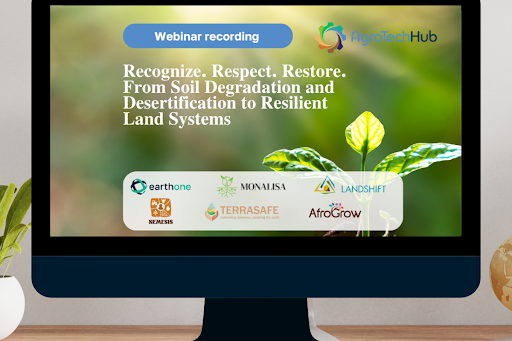
EARTHONE joins AgroTech Hub webinar on innovations for resilient land systems
On 17 June 2026, EARTHONE participated in the AgroTech Hub Cluster webinar…
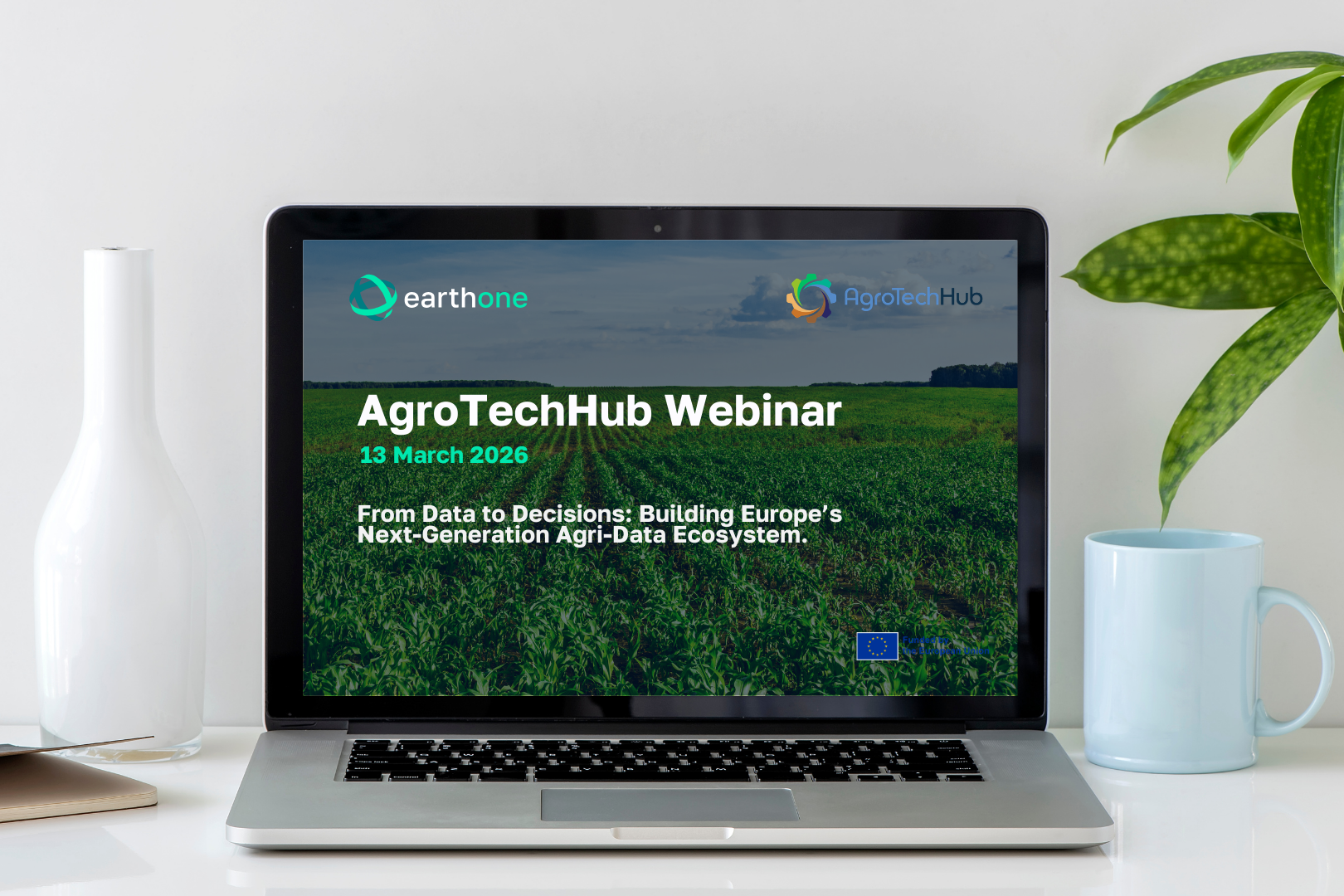
EARTHONE participates in AgroTech Hub webinar on Europe’s agri-data ecosystem
On 13 March, the EARTHONE project participated in the webinar From Data to…
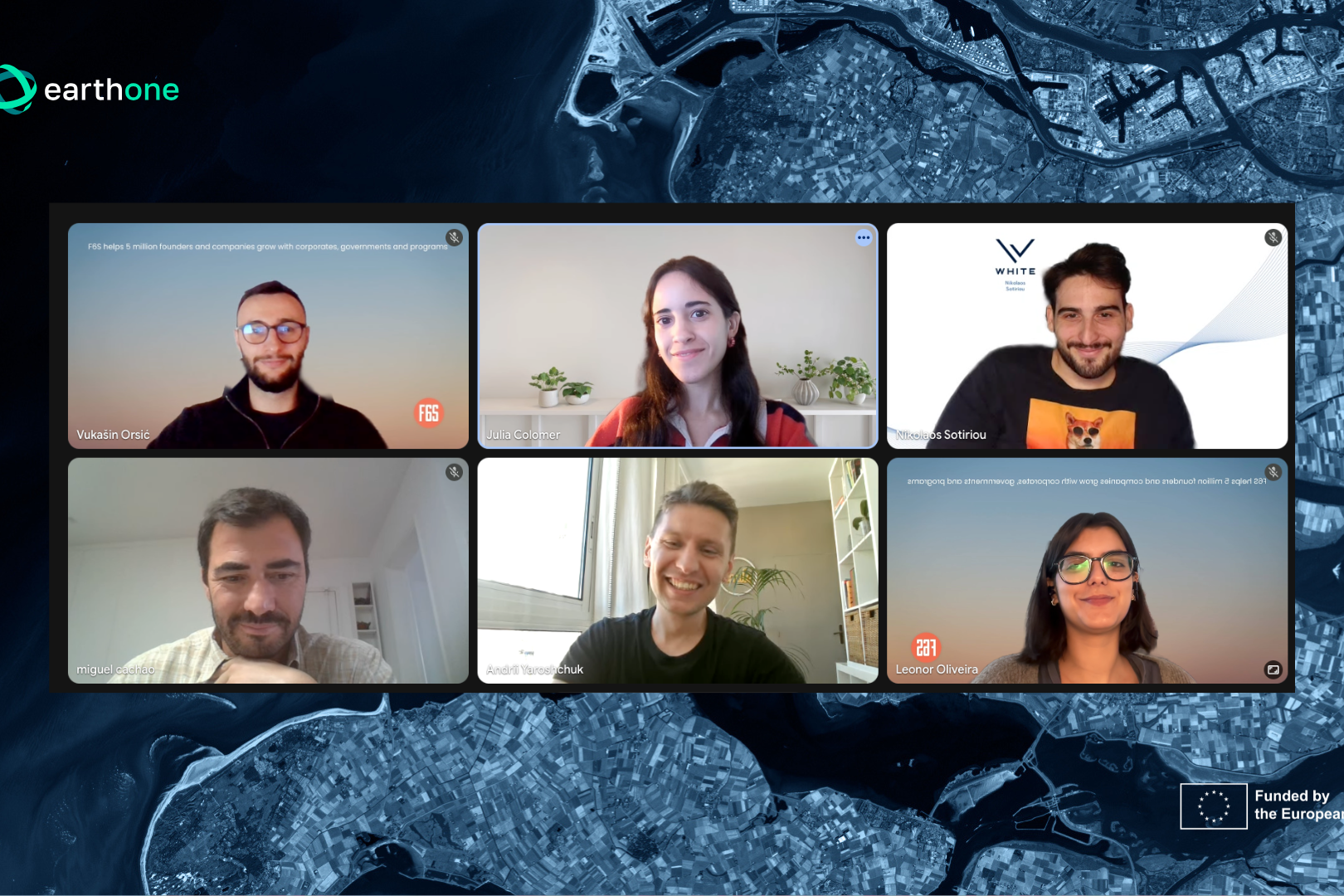
EARTHONE joins the new AgroTech Hub Cluster
EARTHONE is now part of the new AgroTech Hub Cluster, a collaboration platform…
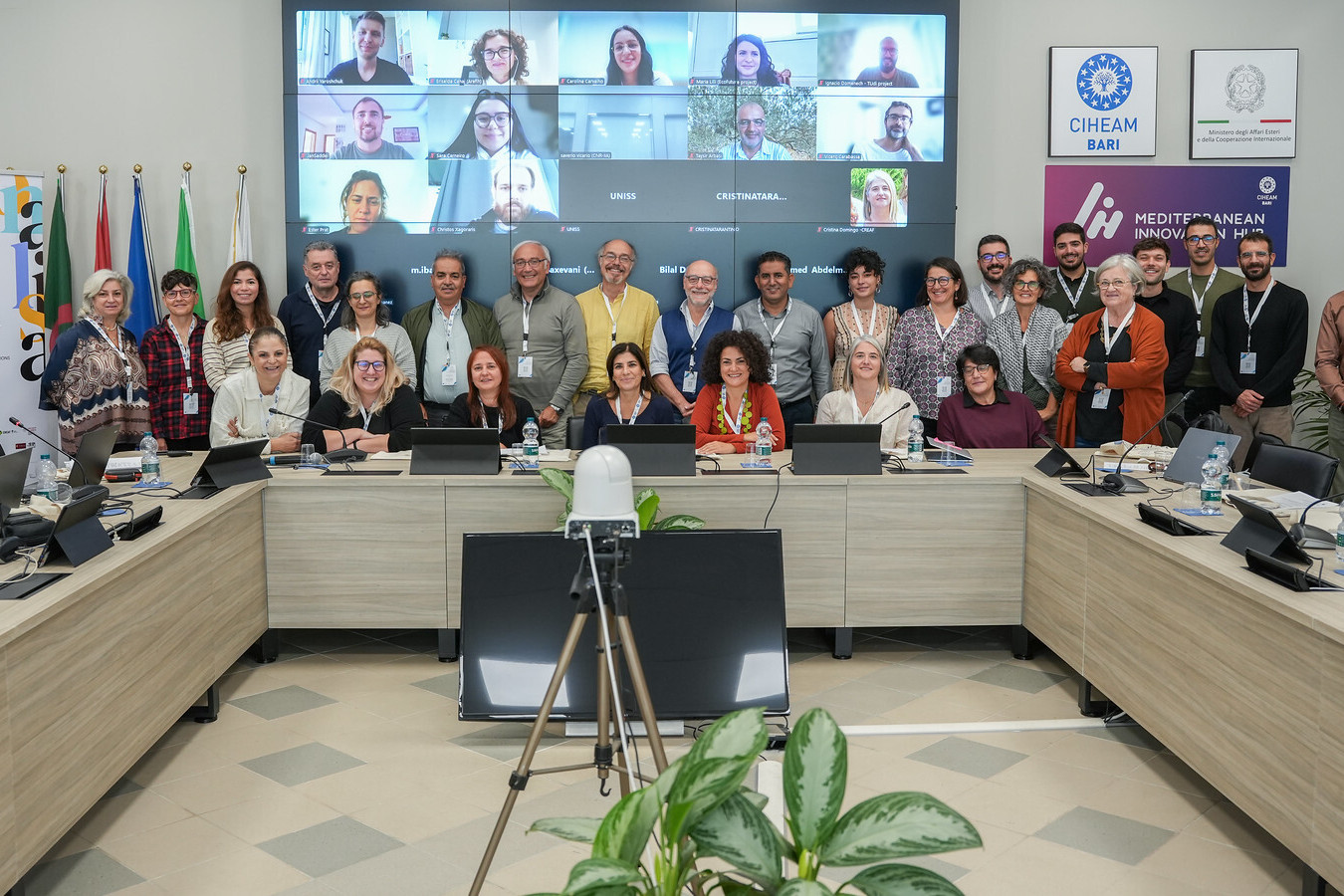
EARTHONE at the MONALISA clustering workshop on soil health
The EARTHONE project took part online in the MONALISA clustering workshop, held…