
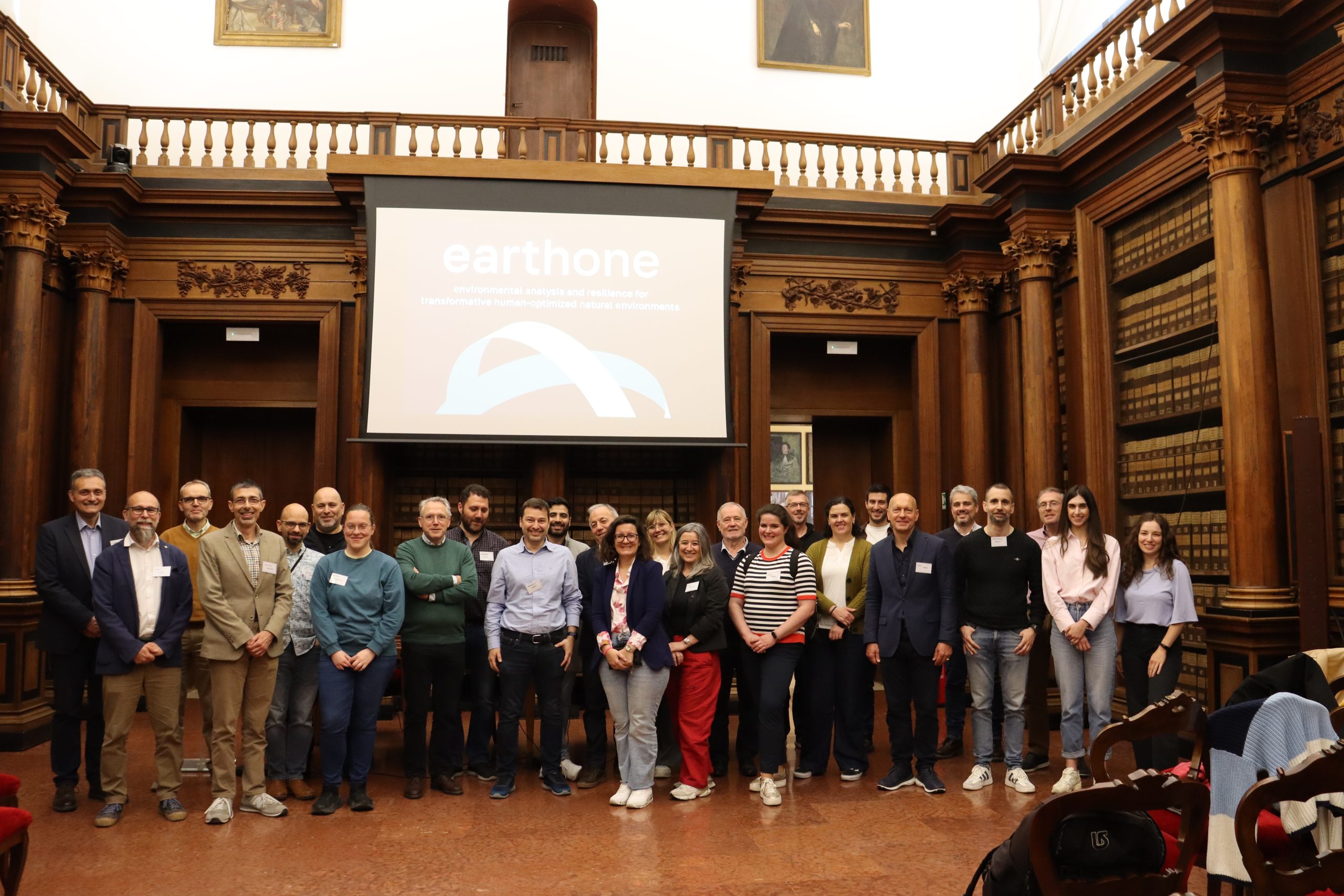
In May 2026, the EARTHONE consortium met in Padova, Italy, for its 4th General Assembly. Across two days, partners reviewed project progress, tested digital tools, discussed pilot-site work and visited the Italian field site in the Veneto region.
The meeting brought together researchers, scientists and project managers from across Europe. It came at an important point for EARTHONE, as the project moves deeper into platform development, soil monitoring, climate modelling and stakeholder engagement.
Day 1: From project progress to digital tools
The first day took place at Palazzo Bo, the historic seat of the University of Padua. Sessions opened with project coordination updates, followed by technical and scientific discussions on the EARTHONE Information Factory, publication planning and collaboration across work packages.
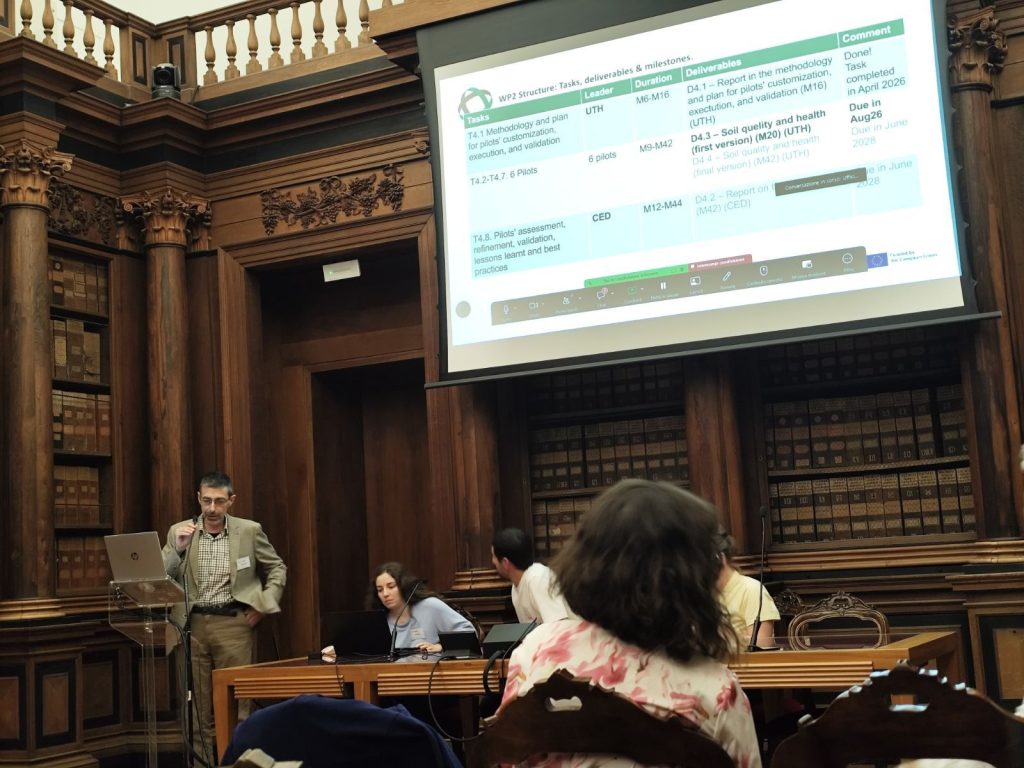
Partners also revisited the completed work under WP2, which set the legal, regulatory and ethical basis for data collection, data sharing and platform access across the pilot sites. WP6 then brought the communication, dissemination, policy and exploitation perspective into the discussion, covering website growth, Practice Abstracts, social media activity, upcoming events, policy recommendations and innovation actions.
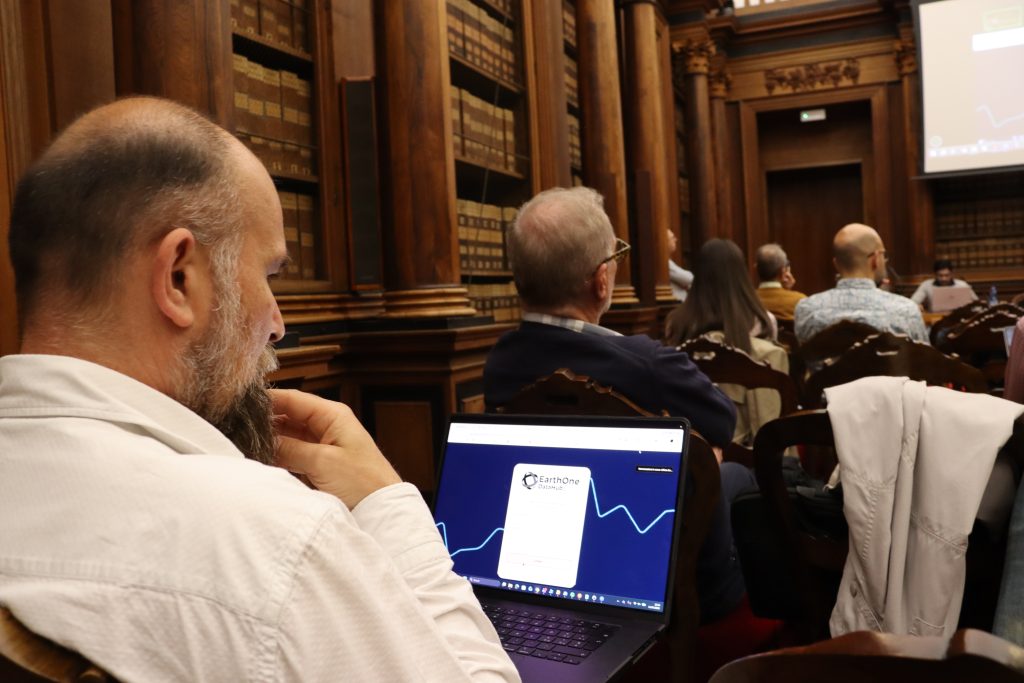
A central moment of the day was SATEC’s live presentation of the Information Factory, including the EARTHONE Data Hub. Partners saw weather and soil-station dashboards, real-time sensor updates, data download functions and tools for uploading and analysing files. The AI and machine learning toolkit was also presented, together with an early plant vitality feature based on image analysis.
EXUS also presented the Scenario Builder, a tool being developed to help users explore climate projections and compare future land-use scenarios across different regions.
Later sessions focused on EARTHONE’s six pilot sites in Spain, Greece, Italy, Croatia, Slovenia and North Macedonia. Partners reviewed field activities, sensor installation, soil sampling and available data for the upcoming soil quality and health deliverable. The day closed with WP5 updates on climate modelling and phenology, including ICON model tests, phenocam data analysis and work to link pilot-site observations with wider land-use and climate assessments.
Day 2: From coordination to the field
The second day moved from Padova to Legnaro, where partners met at the Veneto Agricoltura campus. The morning focused on alignment between the project’s digital platform, pilot sites, climate modelling, socio-economic work and communication activities.
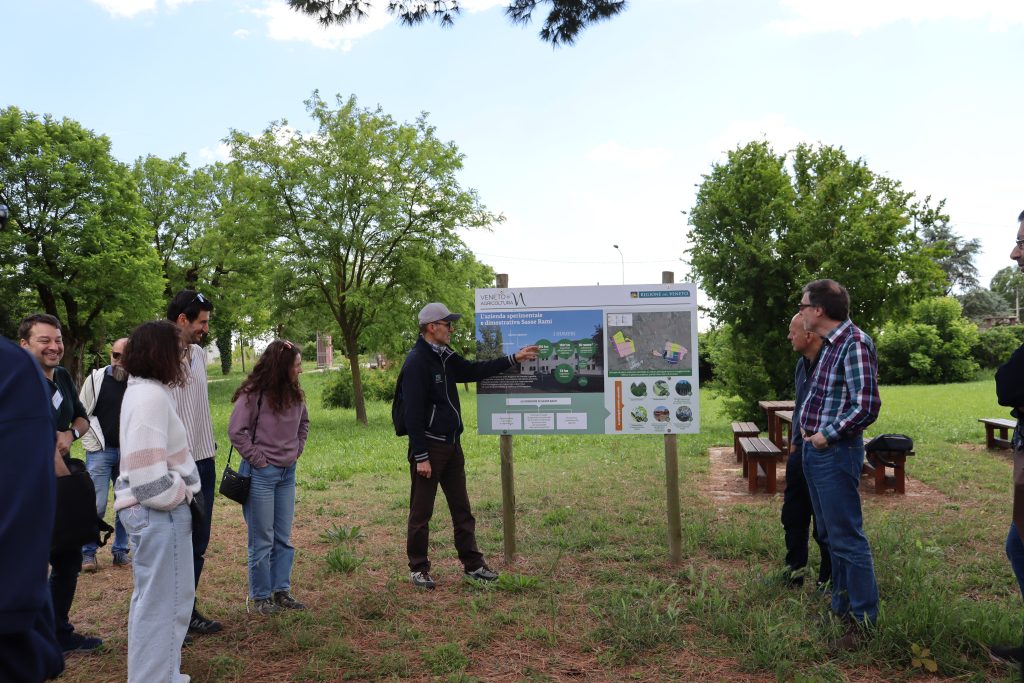
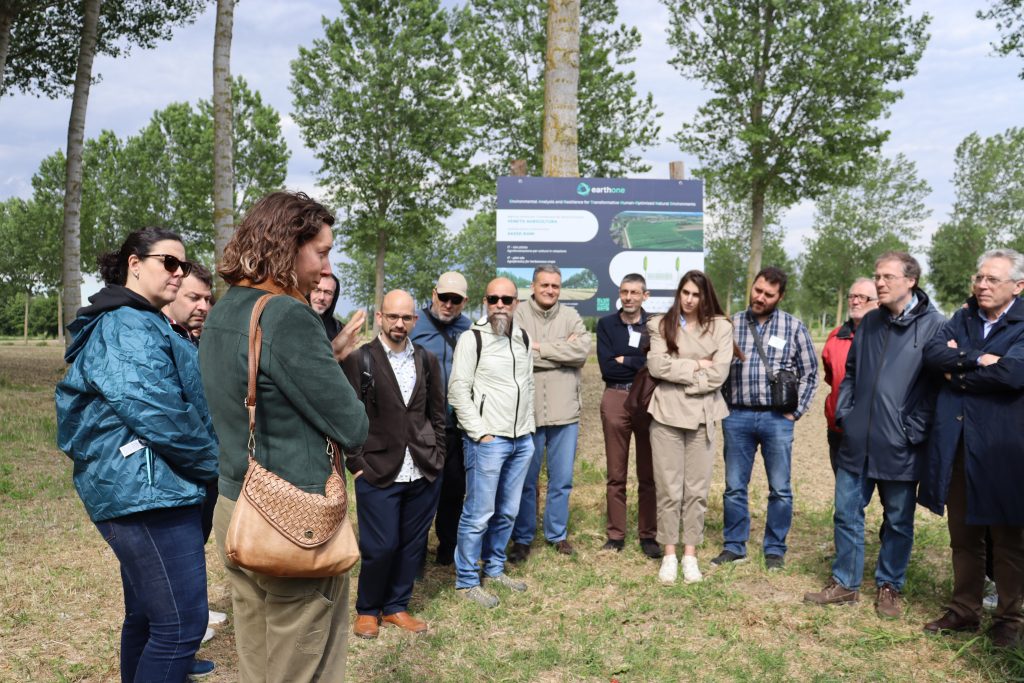
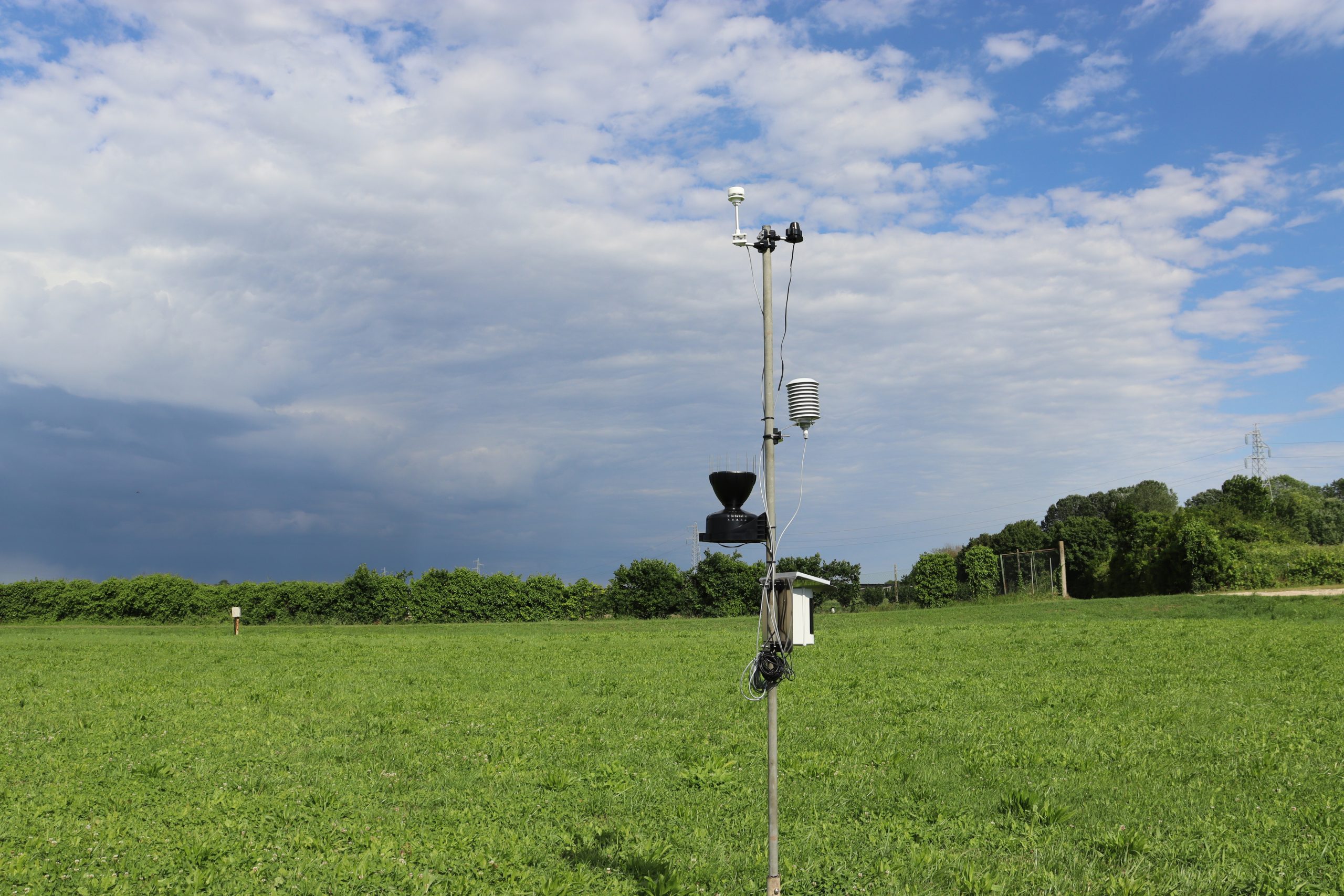
In the afternoon, the consortium visited Sasse Rami Farm in Ceregnano, EARTHONE’s Italian pilot site. The visit gave partners a direct view of the agricultural landscape, monitoring conditions and field realities behind the project’s data. For a project working across models, sensors and digital tools, the field visit offered a useful reminder of the practical environments these solutions are designed to support.
Looking ahead
The Padova General Assembly helped partners align the next phase of EARTHONE’s work. In the coming months, the consortium will focus on platform feedback, pilot data collection, soil quality reporting, stakeholder engagement and future policy activities.
By linking environmental data, climate modelling and field evidence, EARTHONE continues to build practical support for climate-smart land management across diverse European regions.